

There’s a reason some pieces just sit right.
And once you notice it, you start questioning everything else in your wardrobe.
You put them on and everything feels intentional. The shape holds. The fabric moves properly. It doesn’t cling, it doesn’t collapse, it doesn’t feel disposable.
That difference usually comes down to one thing: weight.
Heavyweight streetwear isn’t just a buzzword. It’s the foundation of how a garment looks, feels and lasts. And once you notice it, it’s hard to go back.
What Does “Heavyweight” Actually Mean?
In simple terms, heavyweight refers to the density of the fabric, usually measured in GSM (grams per square metre).
- Lightweight: 120–160 GSM
- Midweight: 160–200 GSM
- Heavyweight: 200+ GSM
For streetwear, the sweet spot typically starts around 220 GSM and goes up from there.
But this isn’t just about numbers. It’s about how that fabric behaves when it’s worn.
The Drape: Why Heavyweight Fabric Falls Better
This is where everything changes.
Drape is how a garment hangs on the body. It’s the difference between something that follows your shape and something that defines it.
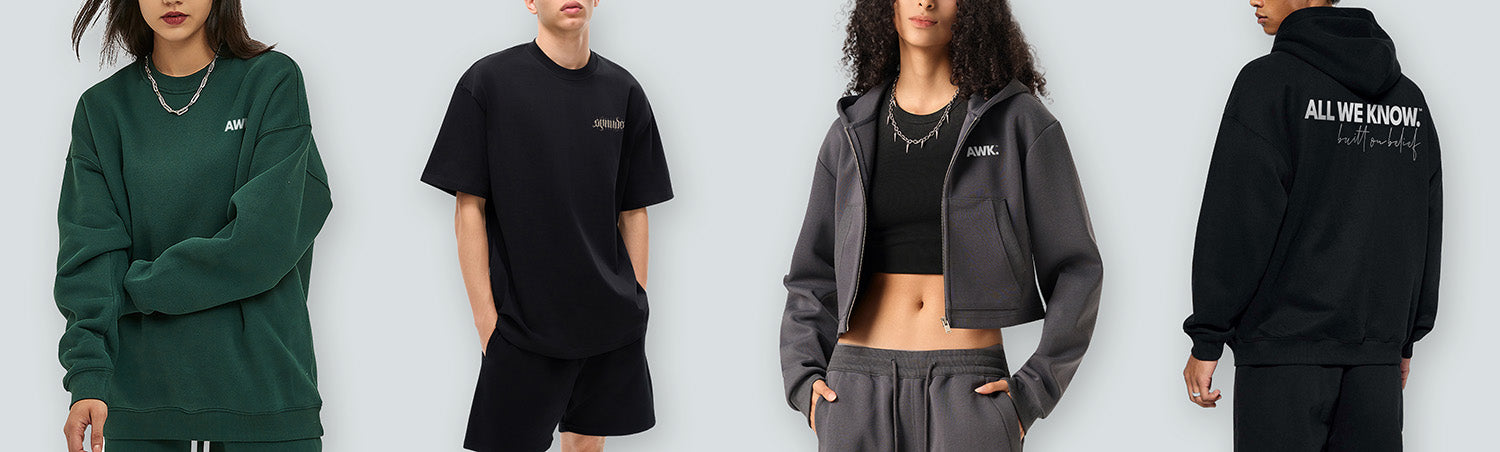
Lightweight fabrics tend to cling or collapse. They follow every movement too closely, which can make even a good cut feel cheap or unstructured.
Heavyweight fabric does the opposite.
- It holds its shape
- It creates cleaner lines
- It adds presence without trying
This is why oversized fits work better with heavier materials. The structure supports the silhouette rather than fighting against it.
Put simply, heavyweight fabric gives the garment authority.
The Feel: Why It Instantly Feels More Premium
You can tell within seconds.
The moment you pick up a heavyweight t-shirt or hoodie, there’s a difference. It has substance. It feels considered.
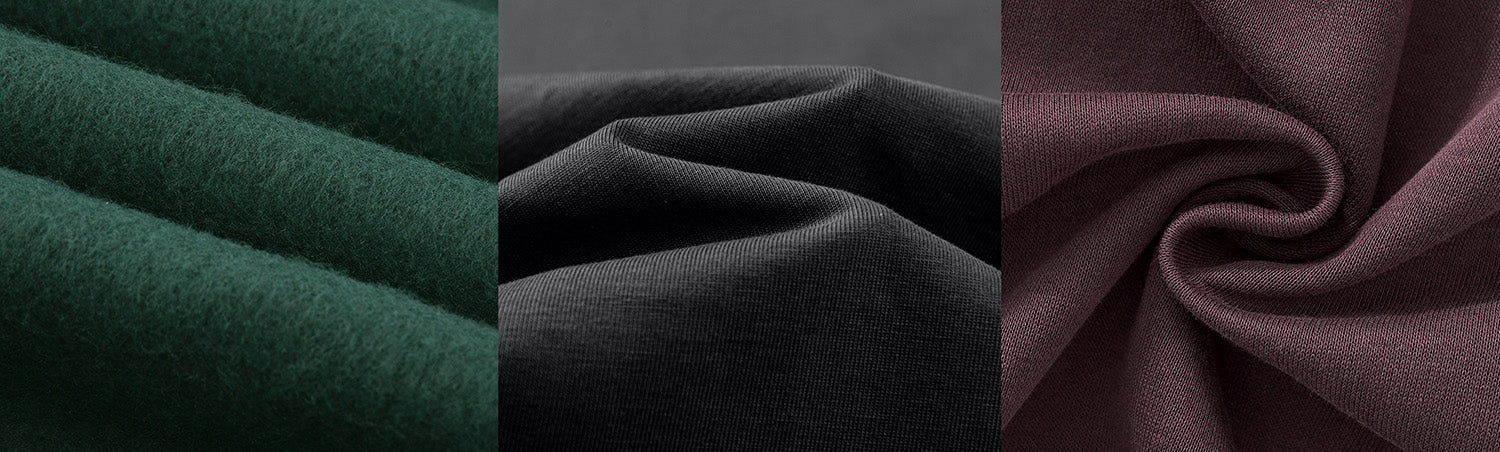
That tactile experience matters more than people realise.
Lighter fabrics often feel soft at first, but that softness can come from being thin or loosely woven. Over time, they lose structure, twist or stretch out.
Heavyweight cotton, especially when tightly woven, feels:
- Dense but breathable
- Soft without being flimsy
- Substantial without being stiff
It’s the difference between something that feels temporary and something that feels built.
Durability: Built to Be Worn, Not Replaced
Most people don’t think about durability until something starts to fall apart.
That’s where lightweight garments usually fail.
After a few washes, you start to notice:
- Necklines losing shape
- Fabric thinning
- Twisting seams
- Overall loss of structure
Heavyweight streetwear is designed to resist all of that.
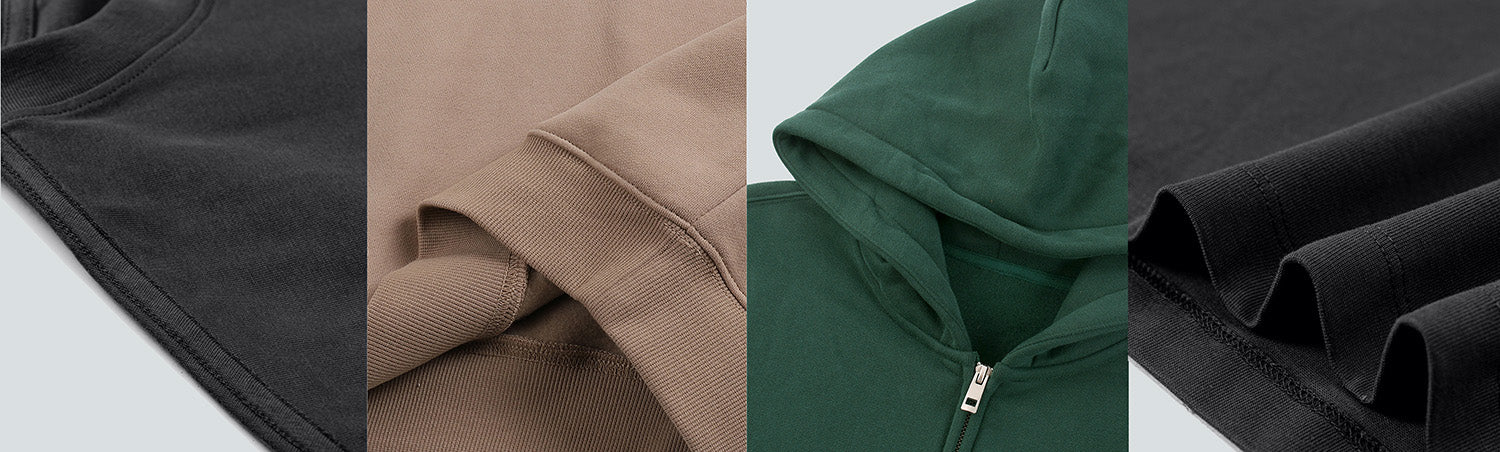
Because the fabric is denser and more robust, it holds up over time.
- Shapes stay consistent
- Collars stay structured
- Fabric resists wear
This isn’t just about longevity. It’s about consistency. The piece looks the same after months as it did on day one.
That’s what makes it feel worth it.
We’re not interested in throwaway clothing. The goal is fewer pieces that actually hold up.
Why Heavier Fabric Elevates the Fit
Fit isn’t just about sizing. It’s about how the garment interacts with your body.
Heavyweight fabric enhances fit in ways lighter materials simply can’t.
- Sleeves fall cleaner
- Shoulders hold their line
- The body sits away from the torso rather than clinging
This is especially important in modern streetwear, where oversized and boxy silhouettes dominate.
Without weight, those silhouettes collapse.
With weight, they become intentional.
The Psychology of Weight: Why It Feels Better to Wear
There’s also something less obvious happening.
Weight changes perception.
Heavier garments feel more secure, more considered, more permanent. They carry a sense of value that lightweight pieces struggle to replicate.
It’s similar to why a solid object feels more premium than a hollow one.
You might not consciously think about it, but you feel it.
And in streetwear, where identity and presence matter, that feeling translates.
This is exactly why we focus on heavyweight fabrics across our core pieces.
You can explore the latest drops here.
Not All Heavyweight Is Equal
It’s worth saying this clearly.
Heavyweight doesn’t automatically mean good.
A poorly made heavyweight garment can still feel stiff, rough or poorly cut. The fabric might be thick, but the construction lets it down.
What matters is the combination of:
- Fabric quality (combed cotton, tight weave)
- Cut and silhouette
- Construction and finishing
When all three align, that’s when heavyweight streetwear actually delivers.
Where It Fits Into Modern Streetwear
If you look at where streetwear has moved over the last few years, the shift is obvious.
Less fast fashion. Less throwaway.
More focus on:
- Quality over quantity
- Timeless fits over trends
- Pieces that last
Publications like Hypebeast and Highsnobiety have highlighted this shift repeatedly. The focus is no longer just design. It’s construction, fabric and longevity.
Heavyweight garments sit right at the centre of that.
They align with a more considered way of dressing. One where fewer, better pieces replace constant turnover.
How This Translates to AWK
At AWK, heavyweight isn’t an afterthought. It’s intentional.
The goal isn’t just to make something that looks good on a hanger. It’s to create pieces that:
- Hold their shape
- Feel right every time you wear them
- Stay consistent over time
Whether it’s oversized t-shirts or hoodies, the weight of the fabric is what gives each piece its presence.
Explore the latest drops here:
https://awkclothing.com/
Or go straight into key collections:
https://awkclothing.com/collections
Final Thought: Once You Notice It, You Don’t Go Back
Heavyweight streetwear isn’t about excess. It’s about intention.
It’s the difference between something that simply exists and something that’s been considered.
Better drape. Better feel. Better longevity.
Once you wear it, the standard shifts.
And everything else starts to feel like a compromise.
FAQ: Heavyweight Streetwear Explained
What is considered heavyweight for a t-shirt?
Typically, anything above 200 GSM is considered heavyweight, with premium streetwear often starting around 220–240 GSM.
Is heavyweight clothing too hot to wear?
Not necessarily. High-quality heavyweight cotton remains breathable due to its natural fibres and weave.
Does heavyweight fabric shrink more?
It can shrink slightly if not pre-treated, but high-quality garments are usually pre-shrunk or designed to minimise this.
Why do heavyweight t-shirts cost more?
They use more material, higher quality cotton and better construction methods, all of which increase durability and feel.
Is heavyweight better for oversized fits?
Yes. Heavier fabric supports structure, making oversized silhouettes look cleaner and more intentional.